Male Infertility Specialist in Mumbai

Difficulty conceiving is shared by both partners, and in a substantial proportion of couples a male factor contributes. As a urologist with an interest in andrology, Dr. Shyam Mohan offers assessment as a male infertility specialist in Mumbai, looking for treatable causes such as varicocele, hormonal imbalance, infection, blockage of the reproductive tract and lifestyle-related factors.
Consultations take place in a private, unhurried setting at Synergy Health Clinic in Chembur, Mumbai. The aim is to give you a clear explanation of your test results, the likely cause, and the realistic options available, so that you and your partner can make informed decisions together with your gynaecologist or fertility team.
What Is Male Infertility?
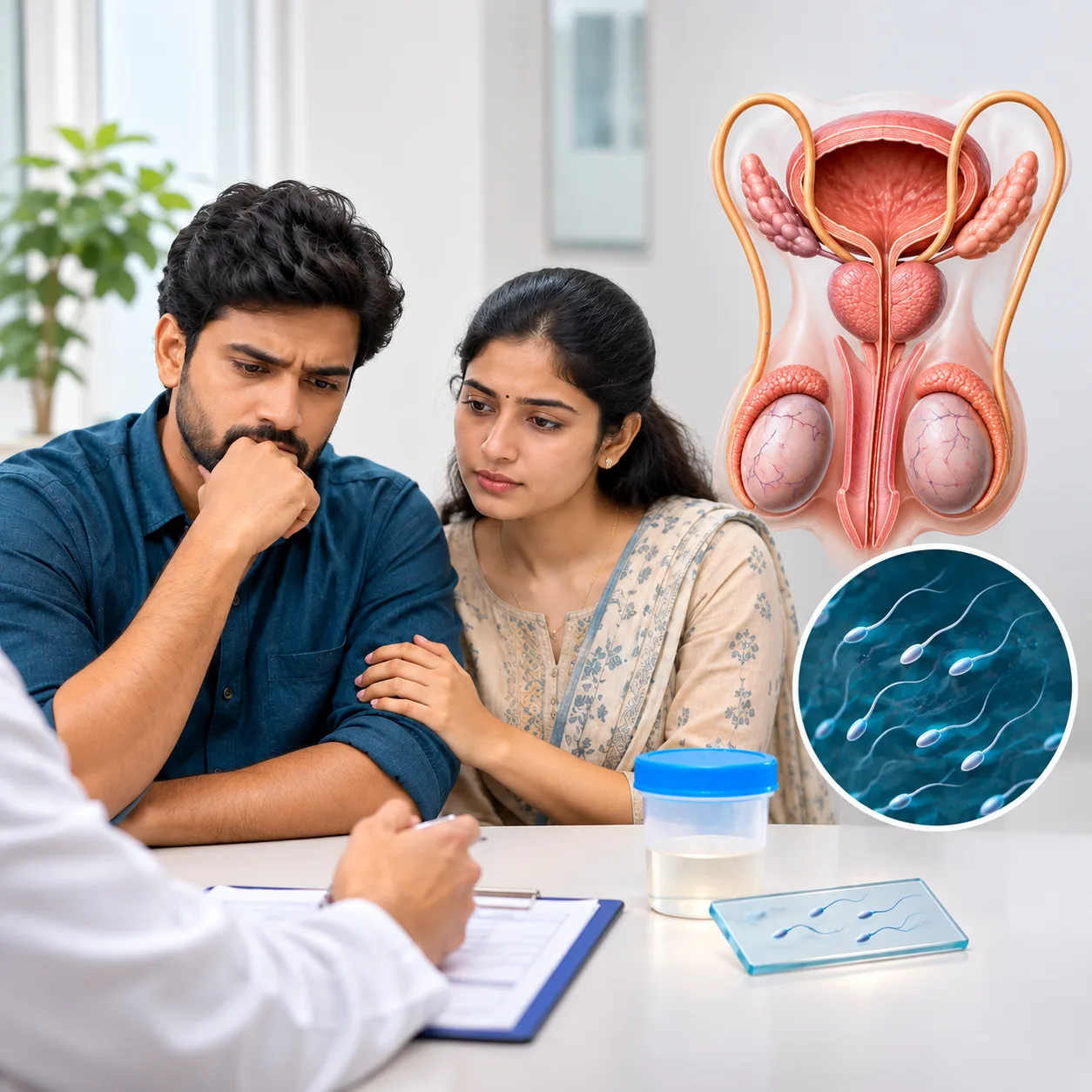
Direct Answer: Male infertility is a reduced ability of a man to cause pregnancy in a fertile female partner, usually identified when a couple has not conceived after about twelve months of regular unprotected intercourse. It commonly relates to sperm number, movement or shape, hormonal problems, blockage of the sperm pathway, or ejaculatory difficulties.
Sperm are produced in the testes under the control of hormones from the pituitary gland, mature in the epididymis, and travel through the vas deferens to mix with fluid from the seminal vesicles and prostate at ejaculation. A problem at any point along this pathway can affect fertility. Because a man may feel completely well and still have an abnormal semen analysis, infertility is often the first sign of an underlying condition that deserves attention in its own right.
A urologist’s role is to identify the cause wherever possible, treat what can be treated, and coordinate with the couple’s fertility specialist when assisted reproduction such as IUI, IVF or ICSI is being considered. You can read more about related services on our andrology page.
What Causes Male Infertility?
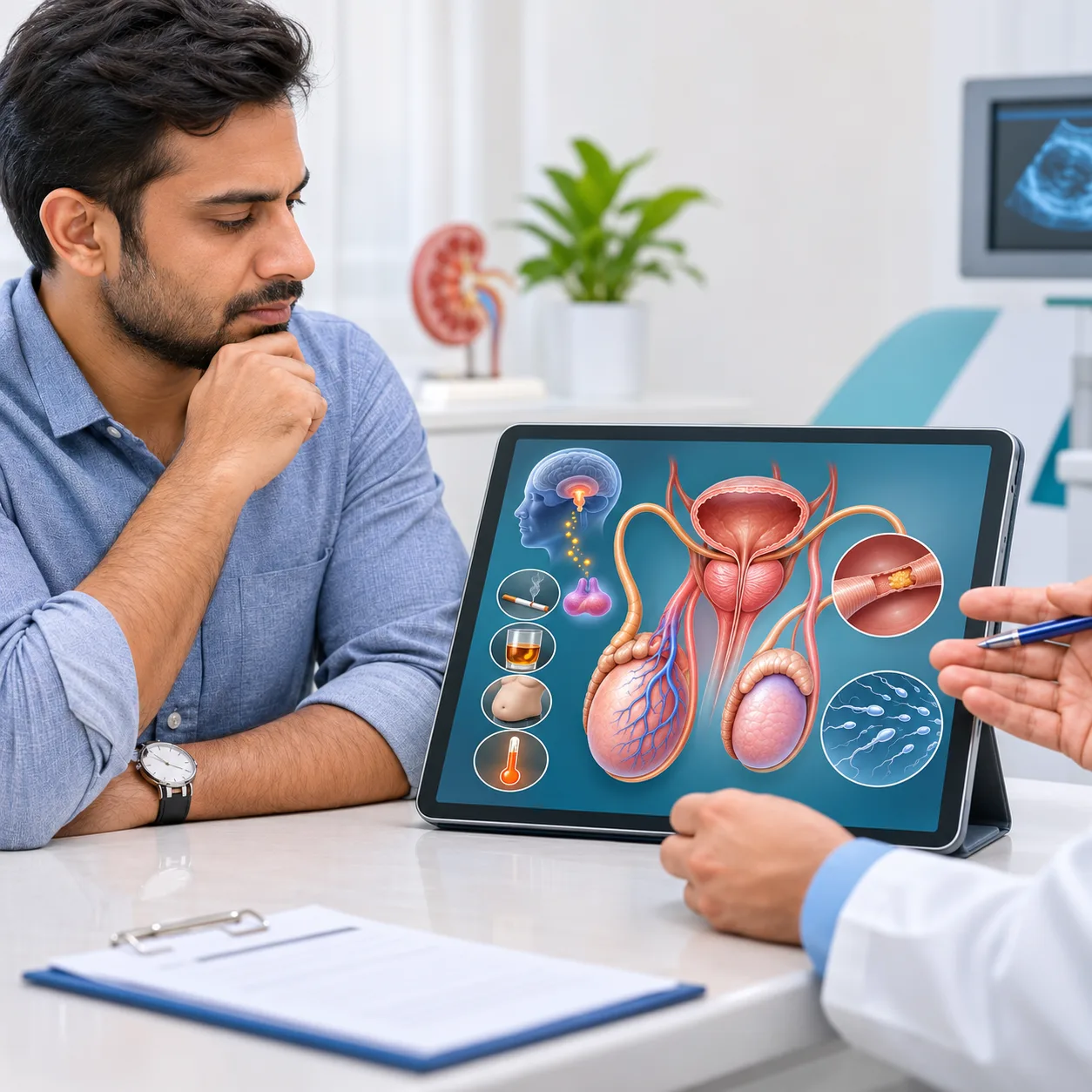
In many men more than one factor is present, and in some no single cause is found despite thorough testing (described as idiopathic infertility). Common categories include:
Testicular (Sperm Production) Causes
- Varicocele – enlarged veins in the scrotum
- History of undescended testis (cryptorchidism) or testicular torsion
- Mumps orchitis or other testicular infection
- Genetic conditions such as Klinefelter syndrome or Y-chromosome microdeletions
- Previous chemotherapy or radiotherapy
Hormonal (Pre-Testicular) Causes
- Hypogonadotropic hypogonadism (low FSH and LH from the pituitary)
- Raised prolactin levels
- Thyroid disorders
- Use of anabolic steroids or testosterone supplements, which suppress sperm production
Obstructive (Post-Testicular) Causes
- Congenital absence of the vas deferens
- Blockage of the epididymis after infection
- Ejaculatory duct obstruction
- Previous vasectomy or inguinal hernia surgery
Sexual, Ejaculatory & Lifestyle Factors
- Erectile dysfunction or difficulty with ejaculation
- Retrograde ejaculation, for example in diabetes or after prostate surgery
- Smoking, heavy alcohol use, obesity and recreational drugs
- Prolonged heat exposure and certain medicines
Which Tests Are Used to Evaluate Male Infertility?
Investigations are chosen according to your history and examination findings. Not every man needs every test; the table below summarises the commonly used ones and what each can show.
| Test | What It Assesses | When It Is Typically Used |
|---|---|---|
| Semen Analysis | Volume, sperm concentration, motility (movement), morphology (shape) and signs of infection, interpreted against WHO laboratory reference values | First-line test for every man being evaluated; repeated if abnormal |
| Reproductive Hormones | FSH, LH, total testosterone and, where relevant, prolactin and thyroid function | Low sperm count, azoospermia, low libido or signs of hormonal deficiency |
| Scrotal Doppler Ultrasound | Testicular size and texture, varicocele, epididymal changes and testicular lumps | Abnormal examination, suspected varicocele, or difficult examination |
| Genetic Tests | Karyotype, Y-chromosome microdeletion analysis and CFTR gene testing | Azoospermia or severely reduced sperm count; absent vas deferens |
| Transrectal Ultrasound (TRUS) | Seminal vesicles and ejaculatory ducts | Low semen volume suggesting ejaculatory duct obstruction |
| Post-Ejaculatory Urine Test | Presence of sperm in urine after ejaculation | Low or absent semen volume, suspected retrograde ejaculation |
| Sperm DNA Fragmentation | Integrity of the genetic material within sperm | Selected cases, such as recurrent pregnancy loss or repeated unsuccessful IVF |
What Are the Treatment Options for Male Infertility?
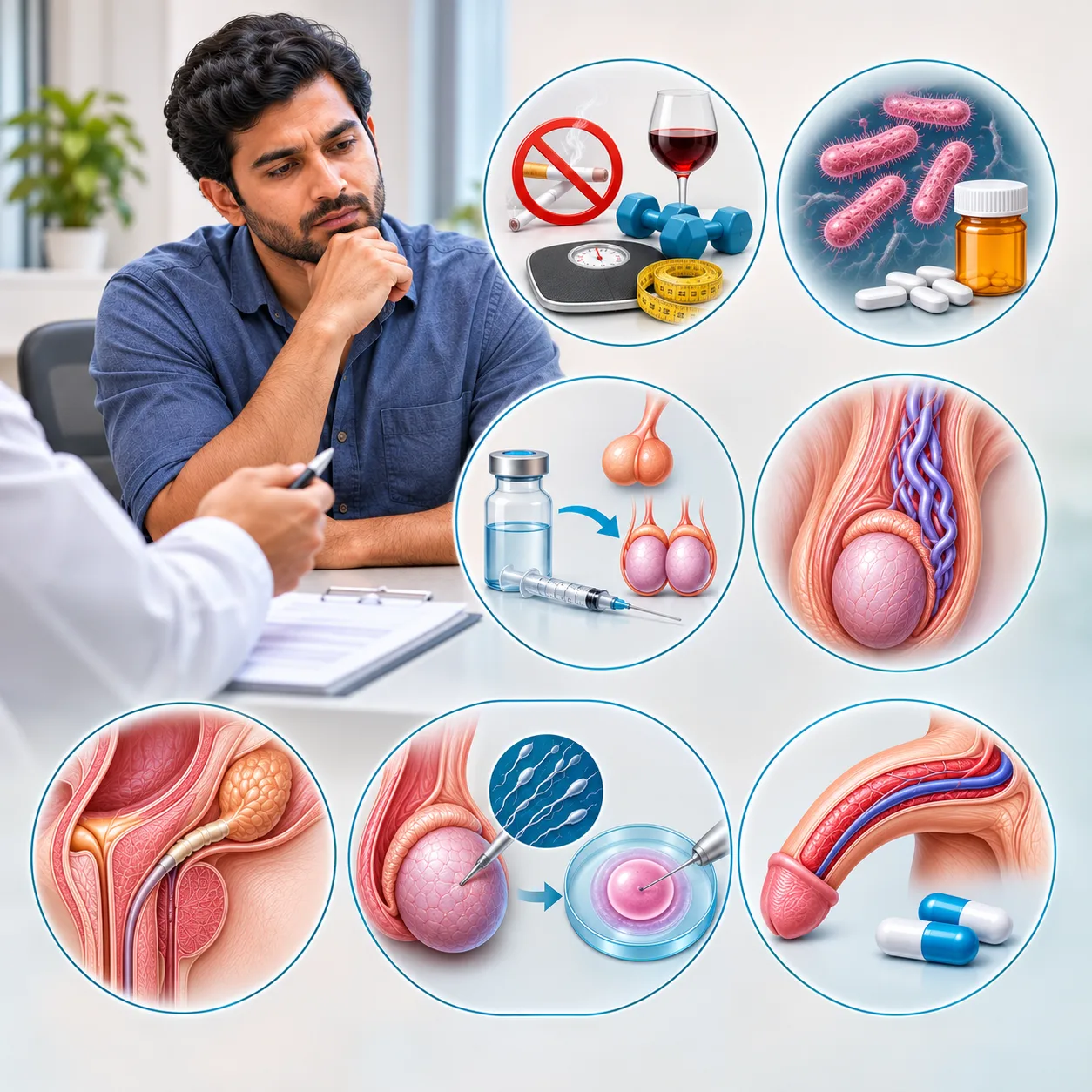
Treatment is directed at the cause and is planned together with the female partner’s evaluation. Options discussed at consultation may include:
Whether treatment leads to natural conception depends on many factors, including the cause, the duration of infertility and the female partner’s age and fertility. For this reason, the plan is individual and is reviewed as results become available.
Lifestyle and medication review
Stopping smoking, moderating alcohol, weight management and withdrawing medicines or supplements known to impair sperm production, such as external testosterone.
Treatment of infection
Targeted antibiotics when genital tract or prostate infection is identified.
Hormonal therapy
In men with hypogonadotropic hypogonadism, gonadotropin treatment can stimulate the testes to produce sperm. Other hormonal approaches are considered selectively and with caution.
Varicocele repair
For a clinically palpable varicocele with abnormal semen parameters, guideline bodies such as the EAU and AUA recognise varicocele treatment, most often microsurgical varicocelectomy, as an option.
Surgery for blockage
Selected obstructions, such as ejaculatory duct obstruction, may be treated endoscopically; reconstruction after vasectomy is a specialised option in some men.
Surgical sperm retrieval
Techniques such as PESA, TESA, TESE or micro-TESE may obtain sperm directly from the epididymis or testis for use in ICSI, particularly in azoospermia.
Management of ejaculatory and erectile problems
Medical treatment, and coordination with assisted reproduction where appropriate.
What Happens During a Male Infertility Consultation?
- Detailed History: duration of trying to conceive, sexual and ejaculatory function, childhood conditions, past surgery or infections, medicines, supplements, occupation and lifestyle.
- Physical Examination: a respectful, chaperoned examination of the testes, epididymis, vas deferens and scrotal veins, along with general signs of hormonal health.
- Review of Reports: earlier semen analyses and scans are reviewed; repeat tests are arranged at an accredited laboratory if needed.
- Targeted Investigations: hormone profile, scrotal ultrasound or genetic tests are requested only when they are likely to change management.
- Explanation & Shared Plan: findings are explained in plain language and a treatment plan is agreed, including timelines for reassessment.
- Coordination with the Fertility Team: where IVF or ICSI is planned, findings and any sperm retrieval plans are shared with the treating gynaecologist or fertility centre.
When Should You See a Urologist About Fertility?
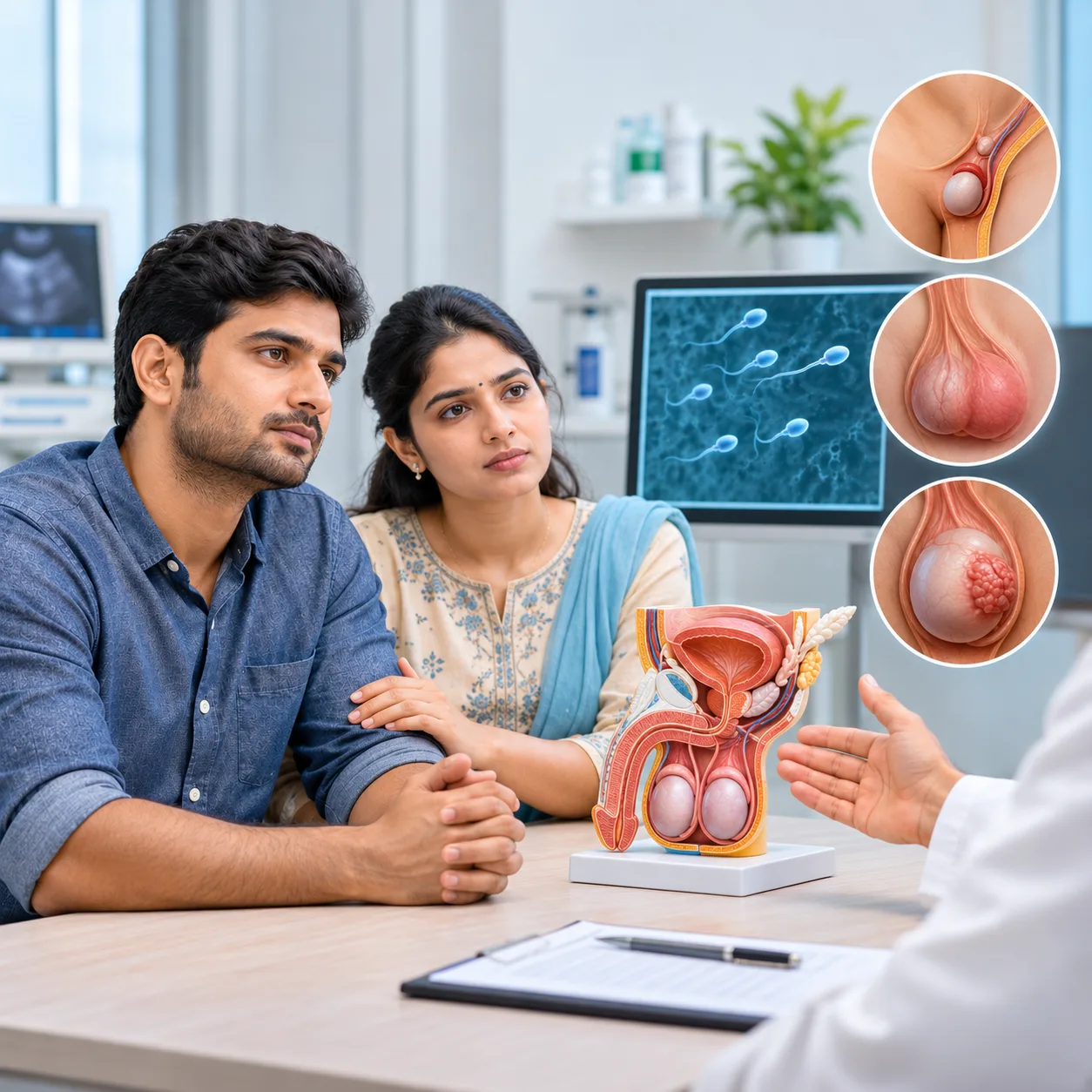
After 12 Months of Trying
Couples who have not conceived after a year of regular unprotected intercourse are usually advised to start evaluation of both partners.
Abnormal Semen Report
A low count, poor motility, abnormal morphology or azoospermia on semen analysis warrants a urological assessment to look for a cause.
Known Risk Factors
Undescended testis, scrotal swelling or pain, previous cancer treatment, or low libido are reasons to seek advice earlier.
Occasionally, evaluation reveals a testicular lump. Infertile men are known to have a somewhat higher risk of testicular cancer, so any lump is investigated promptly. More information is available on our testicular cancer page.
Frequently Asked Questions
Consult a Male Infertility Specialist in Mumbai (Chembur)

Dr. Shyam Mohan
Related pages: Andrology & Men’s Health, Varicocele Treatment in Mumbai, Erectile Dysfunction Treatment, Testicular Cancer Treatment and General Urology.
Medical disclaimer: The information on this page is for general education and is not a substitute for an individual medical consultation. Every couple’s situation is different, and diagnosis and treatment decisions depend on clinical evaluation, test results and discussion with your doctor.
Clinical Reference Sources
- European Association of Urology (EAU) Guidelines on Sexual and Reproductive Health – Male Infertility.
- American Urological Association (AUA) / American Society for Reproductive Medicine (ASRM) Guideline: Diagnosis and Treatment of Infertility in Men.
- World Health Organization (WHO) Laboratory Manual for the Examination and Processing of Human Semen.
- National Institute for Health and Care Excellence (NICE) Clinical Guideline CG156: Fertility Problems – Assessment and Treatment.